Understanding Knowledge-Driven Creativity
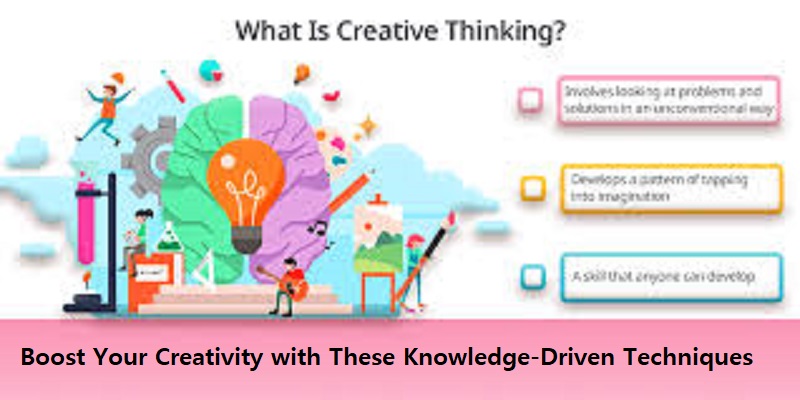
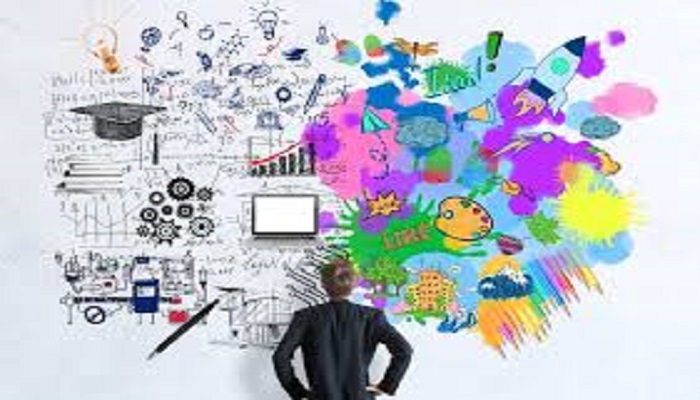
Knowledge-driven creativity combines accumulated information, experiences, and insights with imaginative thinking to produce innovative solutions. By leveraging knowledge, individuals can approach problems with clarity and confidence, generating ideas that are both original and practical. Knowledge provides context, enabling creative minds to make meaningful connections between concepts and identify opportunities that may otherwise be overlooked. Whether in business, art, or personal projects, understanding how to harness knowledge effectively empowers individuals to develop ideas that are not only imaginative but also actionable. This synergy forms the cornerstone of sustained creative success.
Expanding Your Knowledge Base
One of the most effective ways to boost creativity is by continuously expanding your knowledge base. Reading books, attending workshops, exploring new fields, and learning from experts expose your mind to diverse ideas and perspectives. A broad knowledge base allows you to draw from multiple disciplines, encouraging cross-disciplinary thinking that sparks originality. The more you know, the easier it becomes to identify patterns, connections, and possibilities that fuel innovative ideas. Committing to lifelong learning ensures that your creative process remains fresh, informed, and capable of producing solutions that are both relevant and forward-thinking.
Observational Learning as a Creative Tool
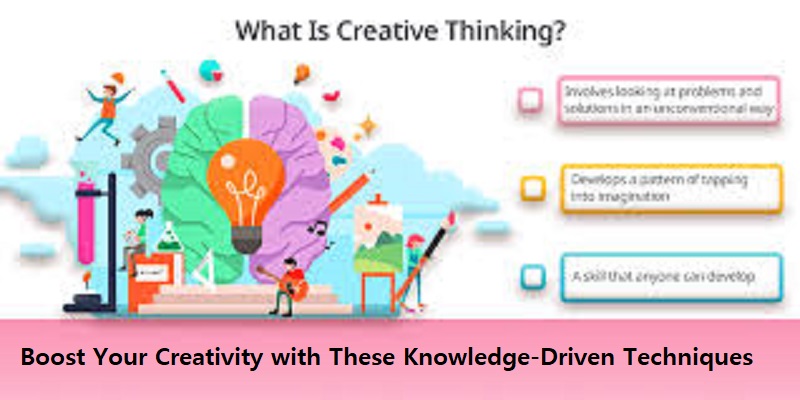
Observational learning is a powerful technique to enhance knowledge-driven creativity. By closely observing how others solve problems, approach challenges, and implement ideas, individuals can gain insights that inspire new solutions. Watching experts in action, analyzing case studies, or even observing everyday processes can reveal strategies and approaches that spark imagination. This technique encourages curiosity and critical thinking, allowing you to adapt and refine observed methods in novel ways. Incorporating observational learning into your creative practice bridges the gap between knowledge and innovation, ensuring that ideas are grounded in experience while remaining uniquely original.
Mind Mapping for Knowledge Integration
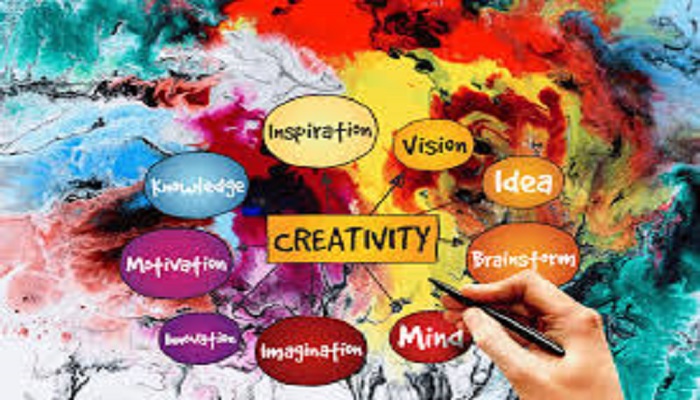
Mind mapping is an effective technique to organize and integrate knowledge in a way that enhances creativity. By visually connecting concepts, ideas, and information, you can identify relationships and patterns that might not be apparent otherwise. Mind maps encourage lateral thinking and allow for rapid exploration of multiple possibilities. This approach transforms scattered knowledge into structured insights, providing a foundation for innovative solutions. By using mind mapping regularly, individuals can clarify complex problems, generate new ideas, and combine knowledge from different areas to produce creative outcomes that are both meaningful and actionable.
Leveraging Curiosity to Drive Innovation
Curiosity is a key ingredient in knowledge-driven creativity. Asking questions, seeking new experiences, and challenging assumptions stimulate the mind to explore possibilities beyond conventional thinking. When curiosity is paired with a solid knowledge base, it enables individuals to approach problems with depth and originality. Exploring unfamiliar topics or experimenting with novel methods encourages creative insights and innovative solutions. Curiosity not only fuels the desire to learn but also inspires critical thinking and imaginative problem-solving. By nurturing curiosity in daily practice, you create an environment where knowledge is transformed into actionable ideas that drive continuous creative growth.
Collaborative Knowledge Sharing
Collaboration enhances knowledge-driven creativity by combining diverse perspectives, expertise, and experiences. Working in teams allows for the exchange of ideas, constructive feedback, and the refinement of concepts. Collaborative environments encourage brainstorming, open communication, and experimentation, leading to innovative solutions that may not emerge individually. By sharing knowledge, individuals can leverage collective intelligence to explore new approaches and identify opportunities for improvement. Collaboration also exposes participants to alternative viewpoints, helping them challenge assumptions and think more creatively. Knowledge-sharing within teams ensures that creativity is informed, strategic, and capable of producing high-impact results.
Using Technology to Enhance Knowledge
Technology offers powerful tools to boost knowledge-driven creativity. Digital platforms, research databases, and artificial intelligence can provide access to vast amounts of information quickly and efficiently. Technology allows for advanced data analysis, idea visualization, and collaborative brainstorming, facilitating innovative thinking. By integrating technology into the creative process, individuals can explore possibilities more effectively, identify trends, and develop solutions that are both original and practical. Leveraging technological tools ensures that knowledge is applied strategically, enhancing the creative process and enabling ideas to be transformed into actionable outcomes with greater speed and accuracy.
Reflective Thinking to Deepen Understanding
Reflective thinking is a technique that enhances knowledge-driven creativity by encouraging individuals to analyze past experiences and outcomes. By reviewing successes and failures, you can identify patterns, draw lessons, and refine future strategies. Reflective thinking promotes critical analysis and helps integrate knowledge into practical applications. This process encourages deeper understanding and supports innovative problem-solving by ensuring that creative ideas are informed by experience and insight. Regular reflection fosters a mindset of continuous learning, enabling individuals to improve their creative approach and generate ideas that are both imaginative and actionable in real-world contexts.
Experimentation as a Knowledge Application Tool
Experimentation bridges the gap between knowledge and creativity. By testing ideas in real-world scenarios, individuals can assess feasibility, refine solutions, and uncover unexpected opportunities. Knowledge informs experimentation by guiding the choice of methods, predicting outcomes, and anticipating challenges. This process encourages risk-taking and innovation while reducing the likelihood of failure. Experimentation also allows creative thinkers to iterate quickly, incorporating feedback and improving ideas over time. By combining knowledge with practical experimentation, individuals can transform abstract concepts into tangible solutions that are both innovative and effective, fostering a culture of continuous creative improvement.
Setting Challenges to Stimulate Creativity
Setting specific challenges or constraints can enhance knowledge-driven creativity by forcing individuals to think strategically and resourcefully. Constraints encourage problem-solving, lateral thinking, and inventive approaches that might not arise in open-ended scenarios. By applying knowledge to overcome obstacles, creative thinkers develop solutions that are practical, original, and impactful. Challenge-based exercises stimulate the mind, promote experimentation, and encourage collaboration when done in teams. This technique ensures that creativity is purposeful, focused, and aligned with real-world needs, transforming knowledge into actionable insights that lead to innovative outcomes.
Combining Diverse Knowledge Areas
Integrating knowledge from different domains fosters innovative thinking and creativity. Cross-disciplinary knowledge allows individuals to identify novel connections, uncover hidden opportunities, and generate ideas that are unconventional yet effective. For example, combining insights from technology, psychology, and design can inspire unique solutions that address complex challenges. Exposure to varied knowledge areas broadens perspective, enhances adaptability, and strengthens problem-solving skills. By consciously seeking diverse sources of knowledge, creative thinkers can expand the scope of their ideas, ensure they are well-informed, and develop solutions that are both original and impactful in any context or industry.
Maintaining a Learning Mindset
A learning mindset is essential for sustaining knowledge-driven creativity. Embracing curiosity, adaptability, and continuous growth ensures that individuals remain receptive to new ideas and perspectives. This mindset encourages experimentation, reflection, and knowledge integration, fostering ongoing innovation. By prioritizing learning and staying informed about emerging trends, technologies, and methods, creative thinkers can generate fresh ideas that are relevant and actionable. Maintaining a learning mindset also helps overcome creative blocks, adapt to change, and identify opportunities that others may miss. This approach ensures that creativity remains informed, strategic, and capable of producing meaningful outcomes.
Documenting Ideas and Knowledge
Recording ideas, insights, and knowledge systematically enhances knowledge-driven creativity. Keeping journals, digital notes, or idea repositories allows individuals to capture inspiration, track progress, and revisit concepts for refinement. Documentation ensures that valuable knowledge is not lost and provides a reference for future projects or collaborations. It also helps organize thoughts, identify patterns, and prioritize ideas based on relevance and potential impact. By maintaining a structured record of knowledge and creative ideas, individuals can combine past experiences with new insights, accelerating the creative process and increasing the likelihood of producing innovative solutions that are actionable and meaningful.
Applying Knowledge Strategically
Strategic application of knowledge ensures that creativity leads to tangible and impactful results. Understanding when, where, and how to apply acquired knowledge allows individuals to focus their efforts on high-priority areas. Strategic thinking involves analyzing context, assessing risks, and leveraging insights to develop practical solutions. By combining creativity with informed decision-making, individuals can transform ideas into innovations that meet real-world needs. Knowledge applied strategically enhances problem-solving, improves efficiency, and maximizes value. This approach ensures that creative ideas are not only imaginative but also purposeful, actionable, and capable of delivering measurable results in any field or project.