
Understanding Creative Thinking
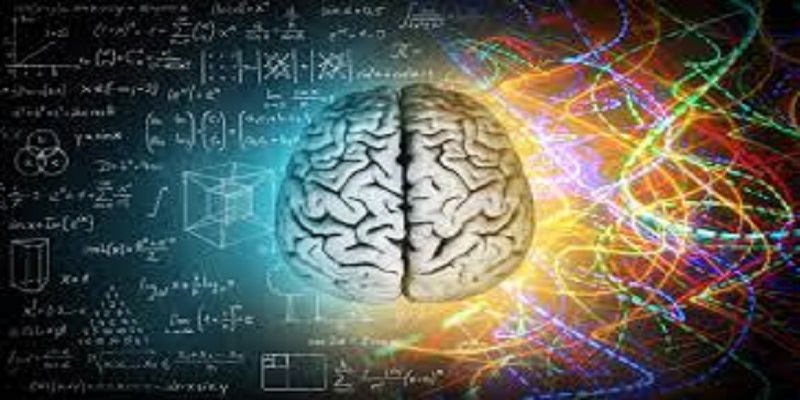
Creative thinking is the cognitive process of generating novel and valuable ideas. It involves breaking free from traditional patterns, connecting disparate concepts, and exploring multiple possibilities. Scientifically, creative thinking engages both hemispheres of the brain: the left hemisphere processes logical sequences, while the right hemisphere facilitates imagination and abstract thought. By combining these functions, individuals can approach problems with flexibility and originality. Understanding the science behind creative thinking allows people to develop strategies for enhancing it, including mental exercises, diverse experiences, and conscious effort to connect seemingly unrelated ideas in ways that produce innovative solutions.
The Role of Knowledge in Creativity
Knowledge serves as the foundation for creative thinking and idea generation. The brain relies on accumulated information and experiences to form associations, recognize patterns, and develop new concepts. Studies in cognitive science show that individuals with broad and deep knowledge bases are more likely to generate original ideas because they can combine existing information in novel ways. Knowledge provides context, reduces the risk of impractical solutions, and informs the evaluation of creative concepts. Continuous learning and exposure to diverse subjects strengthen this cognitive foundation, enhancing both the quantity and quality of creative output and facilitating the translation of ideas into actionable innovations.
The Neuroscience of Idea Generation
Neuroscience research reveals that idea generation activates complex neural networks involving the prefrontal cortex, temporal lobes, and the default mode network. The prefrontal cortex is responsible for planning and decision-making, while the temporal lobes support memory retrieval and pattern recognition. The default mode network, active during rest or daydreaming, allows the mind to make novel connections unconsciously. Understanding these neural mechanisms explains why activities such as meditation, incubation periods, or relaxed thinking can enhance creativity. By leveraging the brain’s natural processes, individuals can optimize their ability to generate ideas, combining conscious and subconscious thought to produce innovative solutions.
The Impact of Environment on Creativity
Scientific studies indicate that the environment plays a significant role in stimulating creative thinking. Factors such as exposure to natural light, aesthetically pleasing spaces, and opportunities for social interaction can enhance cognitive function and idea generation. Environments that encourage exploration, minimize distractions, and provide access to diverse stimuli promote flexible thinking and innovative problem-solving. Collaborative spaces where knowledge and perspectives are shared have also been shown to foster creativity. By designing supportive physical and social environments, individuals and organizations can harness the science of creativity, facilitating the production of original ideas and the development of actionable innovations.
The Role of Curiosity and Motivation
Curiosity and intrinsic motivation are critical drivers of creative thinking. Neuroscientific research suggests that dopamine, a neurotransmitter associated with reward and learning, enhances cognitive flexibility and idea generation. Curiosity stimulates exploration and engagement, while intrinsic motivation encourages sustained effort to solve complex problems. Individuals who are naturally curious tend to seek novel experiences, which expands their knowledge and cognitive networks, fostering creativity. By nurturing curiosity and focusing on intrinsic motivation rather than external rewards, people can strengthen their ability to generate innovative ideas and approach challenges with energy, persistence, and a higher likelihood of success.
Techniques to Enhance Creative Thinking
Several evidence-based techniques can enhance creative thinking and idea generation. Brainstorming encourages the free flow of ideas without judgment, while mind mapping helps organize thoughts and identify connections. Lateral thinking challenges assumptions and promotes unconventional problem-solving. Engaging in activities such as reading, cross-disciplinary learning, and exposure to new experiences stimulates cognitive networks, increasing idea generation capacity. Structured exercises like SCAMPER (Substitute, Combine, Adapt, Modify, Put to another use, Eliminate, Reverse) guide creative exploration systematically. These techniques, grounded in cognitive science, allow individuals to maximize the potential of their brain’s creative networks and produce high-quality, innovative ideas consistently.
The Power of Incubation
Incubation is a scientifically supported strategy for enhancing creativity. It involves stepping away from a problem or task, allowing the subconscious mind to process information without active effort. Research shows that periods of incubation lead to sudden insights or “aha moments,” as the brain makes novel connections between ideas. Activities such as walking, meditation, or engaging in unrelated tasks can facilitate this process. By combining focused work with incubation, individuals allow both conscious and unconscious cognitive processes to collaborate, resulting in more original and effective solutions. Understanding this principle helps harness the brain’s natural problem-solving potential for idea generation.
Balancing Divergent and Convergent Thinking
Creative thinking relies on a balance between divergent and convergent thinking. Divergent thinking generates multiple ideas, possibilities, and perspectives, while convergent thinking evaluates, refines, and selects the most practical solutions. Neuroscientific studies suggest that effective creativity involves the interplay of both processes. Too much divergence can lead to scattered or unrealistic ideas, while excessive convergence can limit originality. By consciously alternating between generating ideas freely and critically assessing them, individuals can optimize their creative output. Understanding this balance ensures that idea generation is both expansive and focused, producing innovative solutions that are practical, actionable, and high-quality.
Overcoming Mental Blocks
Mental blocks, such as fear of failure, fixed thinking patterns, and cognitive biases, can hinder creative thinking. Neuroscience shows that these blocks often involve overactivation of the prefrontal cortex, which limits flexible thought. Techniques such as reframing problems, changing perspectives, or engaging in playful activities can reduce mental rigidity. Exposure to new environments, collaboration, and mindfulness exercises also promote cognitive flexibility. By addressing mental blocks strategically, individuals unlock their creative potential and facilitate the flow of novel ideas. Understanding the science of these blocks helps in designing interventions that enhance creative thinking and maximize innovative outcomes.
The Role of Emotion in Creativity
Emotions significantly influence creative thinking and idea generation. Positive emotions, such as curiosity, joy, and interest, enhance cognitive flexibility, encourage exploration, and stimulate innovation. Neuroscientific research indicates that emotional engagement increases dopamine levels, promoting idea generation and problem-solving. Conversely, stress or negative emotions can restrict creative capacity by narrowing attention and reducing risk-taking. By managing emotions and cultivating positive emotional states, individuals can improve their ability to generate original ideas. Understanding the interplay between emotion and cognition provides actionable strategies for boosting creativity and ensuring that innovative thinking thrives under optimal psychological conditions.
Collaboration and Collective Creativity
Collaborative creativity leverages the knowledge, experiences, and perspectives of multiple individuals. Research shows that diverse teams outperform individuals in generating innovative solutions due to the combination of cognitive resources and social learning. Group interactions, brainstorming, and constructive feedback facilitate idea refinement and stimulate novel connections. However, collaboration must be structured to avoid conformity or groupthink, which can hinder originality. Understanding the science of collective creativity enables teams to harness diverse thinking effectively, turning individual ideas into robust, innovative solutions. Collaborative innovation ensures that ideas are well-rounded, actionable, and capable of producing meaningful impact.
Applying Scientific Insights to Real-World Creativity
Scientific understanding of creative thinking can be applied to enhance real-world innovation. By integrating knowledge, cognitive techniques, environmental strategies, and emotional management, individuals can optimize their idea generation process. Structured approaches such as brainstorming, incubation, and iterative prototyping align with neuroscientific insights, ensuring creativity is both systematic and spontaneous. Organizations can implement knowledge-sharing, collaborative spaces, and flexible workflows to maximize innovative output. By applying the science behind creativity, individuals and teams can consistently generate high-quality ideas, solve complex problems effectively, and transform abstract concepts into actionable solutions that deliver tangible value across various domains.
Fostering a Sustainable Creative Mindset
Sustaining creative thinking requires ongoing practice, learning, and cognitive flexibility. Incorporating daily habits that stimulate the brain, such as reading, reflection, experimentation, and exposure to new experiences, helps maintain the neural networks responsible for idea generation. Understanding the scientific mechanisms behind creativity allows individuals to adopt strategies that enhance mental agility, balance divergent and convergent thinking, and leverage both conscious and unconscious processing. By fostering a sustainable creative mindset, individuals ensure a continuous flow of innovative ideas, maintain adaptability in changing environments, and maximize the impact of their knowledge-driven, scientifically informed approach to idea generation.