
Understanding the Importance of Knowledge
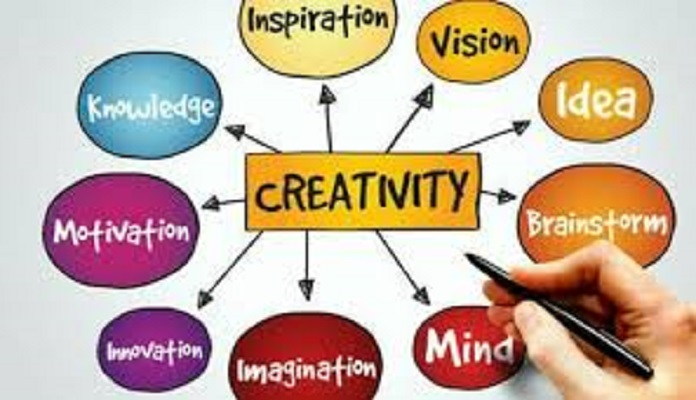
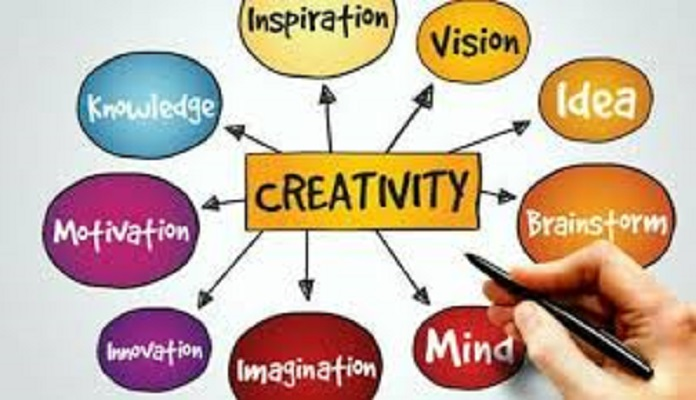
Knowledge forms the backbone of creativity and innovation, providing the information and understanding required to generate meaningful ideas. Without a strong knowledge base, creative efforts may lack direction or relevance. Knowledge allows individuals to identify patterns, make connections between different concepts, and develop practical solutions to problems. By continuously learning, observing, and analyzing information, people can expand their ability to think critically and approach challenges with clarity. Knowledge empowers individuals to innovate by giving them the tools to transform ideas into actionable outcomes, ensuring that creativity is both effective and impactful in any context.
Knowledge as a Source of Inspiration
Knowledge serves as a wellspring of inspiration for creative thinking. When individuals have access to diverse information and experiences, they can combine insights in unique ways to generate original ideas. Exposure to new fields, concepts, and perspectives fuels imagination and encourages exploration beyond conventional boundaries. For example, understanding history, science, and art can spark innovative approaches in business or technology. Knowledge helps people see possibilities that others might overlook, inspiring solutions that are both practical and groundbreaking. It forms the basis for curiosity, which is essential in driving creativity and sustaining a culture of innovation.
Knowledge Enhances Problem-Solving Skills
Effective problem-solving requires more than just creativity; it relies heavily on knowledge. A deep understanding of a subject allows individuals to analyze challenges, evaluate potential solutions, and anticipate consequences. Knowledge equips people with the ability to identify what has worked in the past and what approaches may be most effective for new situations. This combination of insight and creativity ensures that innovative ideas are practical and actionable. Without knowledge, even the most imaginative concepts may fail to address real-world problems. Therefore, knowledge acts as a guiding framework that enhances the overall effectiveness of creative and innovative efforts.
Knowledge Builds Confidence in Creative Decisions
Having a solid foundation of knowledge instills confidence in creative and innovative decision-making. When individuals understand the principles, facts, and precedents related to a challenge, they are better equipped to take calculated risks and experiment with novel solutions. This confidence reduces hesitation and fear of failure, allowing creativity to flow more freely. Knowledge also provides benchmarks and standards against which ideas can be measured, ensuring that innovation is grounded in reality. By combining knowledge with creative thinking, individuals can develop solutions that are not only imaginative but also credible, feasible, and capable of producing tangible results.
Knowledge Encourages Cross-Disciplinary Thinking
Knowledge gained across multiple disciplines fuels cross-disciplinary thinking, which is essential for innovation. When individuals understand principles from various fields, they can make unexpected connections and combine ideas in ways that produce breakthrough solutions. For instance, integrating insights from technology, psychology, and design can lead to innovative products or services. Cross-disciplinary knowledge broadens the range of possibilities, allowing creative minds to explore unconventional approaches. It also encourages adaptability and flexibility, helping innovators tackle complex problems from multiple angles. By fostering a diverse knowledge base, individuals enhance their ability to generate ideas that are original, practical, and transformative.
Knowledge Enables Informed Experimentation
Experimentation is at the heart of innovation, and knowledge provides the guidance necessary to experiment effectively. Understanding underlying principles, past successes, and potential risks allows individuals to test ideas methodically and learn from results. Knowledge helps innovators determine which approaches are likely to succeed and how to refine them for better outcomes. It reduces unnecessary trial and error while maximizing the potential for discovery. By combining knowledge with curiosity and creativity, individuals can conduct experiments that are both innovative and purposeful. Informed experimentation ensures that creative ideas evolve into solutions with real-world impact and value.
Knowledge Strengthens Critical Thinking
Critical thinking is a key component of creativity and innovation, and it is strengthened by knowledge. The ability to evaluate information, question assumptions, and analyze outcomes relies on a solid understanding of the subject matter. Knowledge provides the context needed to distinguish between viable and impractical ideas. It enables individuals to identify opportunities, recognize limitations, and make strategic decisions that enhance innovation. When creative thinking is supported by critical analysis, the resulting solutions are both imaginative and robust. Knowledge ensures that creativity is purposeful, avoiding ideas that are unrealistic or disconnected from practical realities.
Knowledge Helps Identify Opportunities
Innovation often begins with recognizing opportunities, and knowledge is crucial in this process. Individuals who are well-informed about industry trends, market needs, and emerging technologies are better positioned to spot gaps and potential areas for improvement. Knowledge provides insight into customer behavior, competitive landscapes, and technological possibilities, enabling innovators to identify where change can have the greatest impact. Without knowledge, opportunities may be overlooked or misunderstood. By continuously expanding their understanding, individuals can combine awareness with creative thinking to develop ideas that are not only original but also strategically valuable and actionable.
Knowledge Reduces Risk in Innovation
Innovation involves uncertainty, but knowledge helps reduce associated risks. Understanding the history of similar projects, best practices, and technical constraints allows individuals to anticipate challenges and avoid common pitfalls. Knowledge informs decision-making, guiding innovators to focus on strategies that are likely to succeed. It also provides the tools needed to adapt quickly when unexpected obstacles arise. By leveraging knowledge, creative ideas are more likely to be implemented effectively and produce desired outcomes. In this way, knowledge acts as a safety net, enabling experimentation and bold innovation while minimizing potential losses or failures.
Knowledge Enhances Collaboration
Collaboration is essential for large-scale creativity and innovation, and knowledge enhances its effectiveness. Individuals with strong expertise can contribute valuable insights, guide discussions, and evaluate ideas critically. Knowledge allows team members to communicate effectively, align goals, and leverage each other’s strengths. When combined with creative thinking, collaborative knowledge sharing leads to more diverse and innovative solutions. Teams that prioritize learning from one another, exchanging information, and building collective expertise can produce ideas that are more refined, practical, and impactful than those generated individually. Knowledge ensures collaboration is productive and drives meaningful innovation.
Knowledge Promotes Continuous Improvement
Innovation is not a one-time event; it requires ongoing refinement, and knowledge promotes continuous improvement. By learning from successes, failures, and feedback, individuals can enhance ideas and processes over time. Knowledge provides the benchmarks and data necessary to measure progress, identify weaknesses, and optimize solutions. This iterative approach ensures that creativity leads to sustained innovation, rather than temporary or isolated breakthroughs. Individuals and organizations that prioritize learning and knowledge accumulation are better equipped to evolve with changing conditions and maintain a competitive edge, ensuring that their creative efforts continue to deliver value over the long term.
Knowledge Inspires Confidence in Leadership
Leaders who possess deep knowledge in their fields can guide teams with clarity, vision, and authority. Knowledge allows leaders to make informed decisions, set realistic goals, and encourage innovation within their organizations. Confident leadership fosters a culture that values creativity, experimentation, and learning. Teams are more likely to take risks and propose novel ideas when they trust that their leaders understand the context and implications of innovation. By combining knowledge with leadership skills, individuals can cultivate environments where creativity thrives, and innovative ideas are nurtured from conception to successful implementation.
Knowledge Bridges the Gap Between Ideas and Implementation
Knowledge acts as the bridge between abstract ideas and practical implementation. Creativity generates possibilities, but knowledge determines which ideas are feasible and how they can be executed effectively. Understanding technical, financial, and operational aspects ensures that innovative concepts are translated into real-world solutions. Knowledge provides the insight needed to plan, strategize, and troubleshoot during the implementation phase. By grounding creative ideas in a solid knowledge base, individuals and organizations can transform imagination into results that deliver measurable impact, ensuring that innovation is not just theoretical but actionable, sustainable, and aligned with practical goals.
Building a Knowledge-Driven Culture for Innovation
Organizations that emphasize knowledge as a core value create a culture that supports creativity and innovation. Encouraging continuous learning, research, and sharing of insights helps teams generate ideas more effectively. Knowledge-driven cultures promote experimentation, collaboration, and critical thinking, which are essential for sustained innovation. By integrating learning into daily practices, organizations ensure that creativity is informed, purposeful, and capable of producing meaningful results. A knowledge-rich environment empowers individuals to explore possibilities confidently, experiment responsibly, and implement innovative solutions that drive growth, efficiency, and long-term success, making knowledge the true foundation of creative and innovative achievement.